How to Design a Calmer Home Without Buying More Things
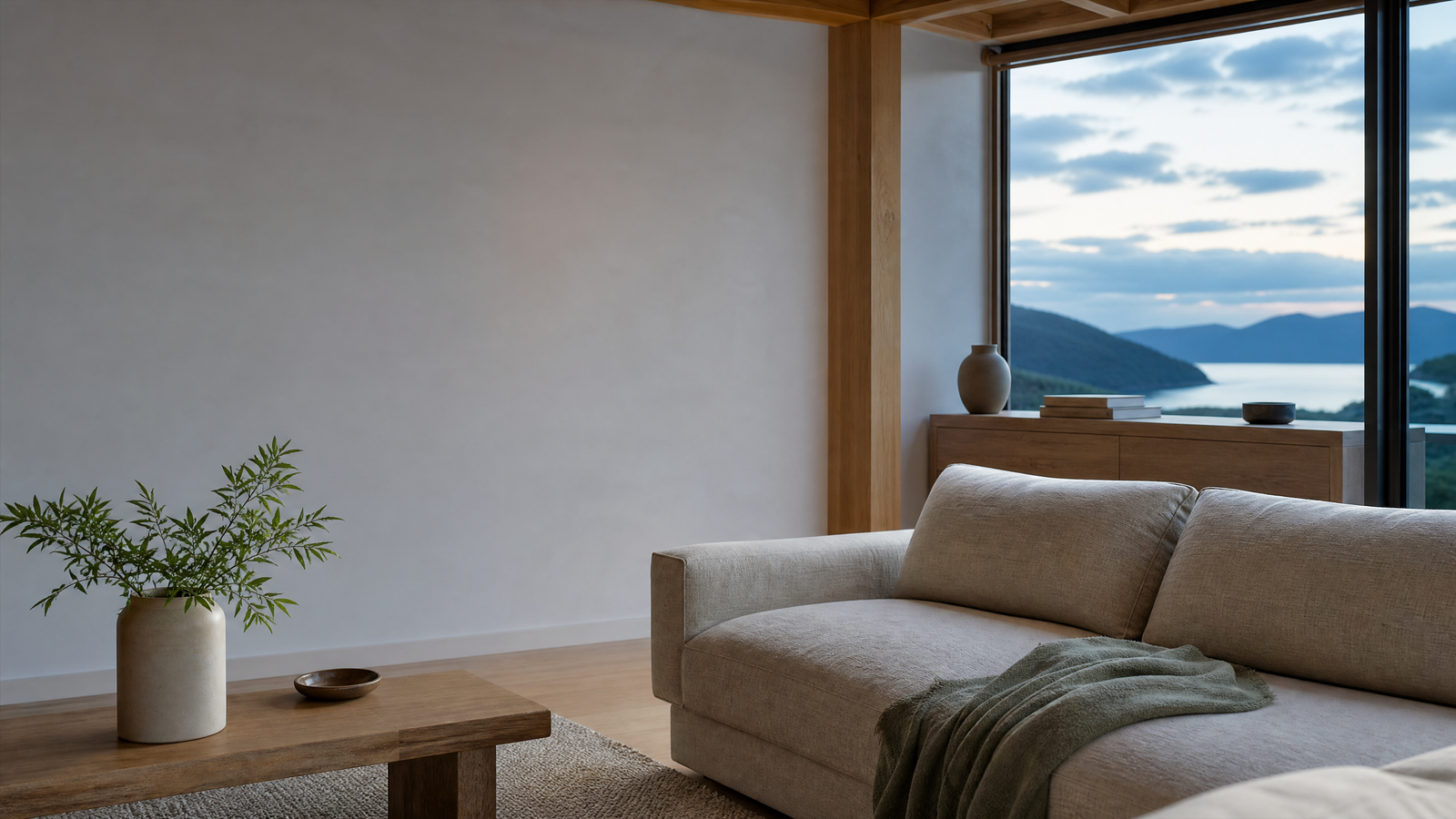

Introduction: Why calm home design matters and how to begin
Creating a calmer home is less about trend-led purchases and more about clearer choices. Whether you live in a compact London flat, a suburban US house, or a rented apartment, you can reduce visual noise, restore daily rhythms, and make practical adjustments that support wellbeing. This guide focuses on low-cost, behaviour-centred strategies and small upgrades that change how you live in the space rather than how much stuff you own.
Core principles of calm home design
Before you rearrange a single item, use these principles as a filter for decisions. They help avoid spending on unnecessary objects and give you precise reasons to keep—or let go of—things.
- Less visual competition: Reduce the number of items that call for attention in any one view. Fewer objects make the space feel calmer.
- Clear paths and purpose: Every area should have a primary function and an unblocked physical flow for movement.
- Consistent sensory palette: Harmonise textures, colours, and sounds rather than trying to manage all senses independently.
- Maintenance-friendly choices: Prioritise what you can keep tidy with the time you have—this is a habit design as much as a room design.
- Adaptability: Prefer flexible solutions that change with seasons, family needs, or routines without adding clutter.
Declutter the right way: habits, decisions and rules
Decluttering often fails because it’s framed as a one-time purge. Instead, adopt repeatable rules and habits that stop clutter returning. Use decision criteria such as frequency of use, joy or meaning, and maintenance cost when you evaluate items.
Simple rules to follow
- Keep only items used at least once a month, unless they carry significant personal value.
- If an object takes more effort to store than to use, consider donating it.
- When new things enter the home, pick one item to remove.
- Limit horizontal surfaces where mail and random objects collect—assign a single catchall tray for daily items.
Routine habits that maintain calm
- 5-minute evening reset: clear counters, collect stray items, and set keys and devices in dedicated spots.
- Weekly review: a short check of flat surfaces, laundry, and recycling prevents backlog.
- Monthly edit: one shelf, drawer or box re-evaluated for items to recycle or donate.
Light and window strategies that soothe
Light has an outsized effect on mood. You don’t need to install new fixtures to make light work for calm home design—small adjustments can balance brightness and shade.
Daylight first
Maximise natural light where possible by keeping windows unobstructed and choosing lightweight window treatments. In the UK, where daylight hours vary with the season, layer options—sheer curtains for daytime softening and heavier curtains for insulation and evening comfort.
Artificial light for comfort
- Use warm-toned bulbs in living spaces to signal rest and cool-toned light in task areas like a kitchen worktop or home office.
- Introduce dimming where possible. A simple plug-in dimmer or lamps on separate switches creates flexible zones of light without rewiring.
- Place lamps to create pools of light rather than strong overhead glare—this reduces visual tension.
Colour, texture and material choices that calm
Colour and texture shape how spacious and restful a room feels. A neutral or limited palette does not mean bland—use texture, scale and a few accent tones to create a rich but uncluttered environment.
Practical palette rules
- Choose a dominant neutral for walls or large surfaces and a small set of accent colours for textiles and small decorative items.
- Introduce texture via fabrics, rugs, or a single statement piece to add warmth without increasing visual clutter.
- Avoid too many competing patterns in one view; if a patterned rug is chosen, pair it with simpler curtains and cushions.
Furniture, layout and creating breathing room
A calm layout prioritises movement and sightlines. You can achieve a more peaceful arrangement by repositioning existing pieces rather than buying replacements.
Key layout decisions
- Define clear zones: seating, eating, working, and play areas should have boundaries so activities don’t spill meaninglessly into each other.
- Keep sightlines open to a focal point—a window, a simple plant, or a neat wall—rather than cluttered corners visible from main seats.
- Leave a margin of empty floor space around main furniture to create visual breathing room: you don’t need to fill every inch.
Adaptive furniture tips
- Use multi-purpose pieces you already own, such as an ottoman with storage or a dining table that doubles as a workspace.
- Consider swapping locations of furniture between rooms seasonally to suit different routines without adding items.
Sensory management: sound, scent and tactility
Sound and smell strongly influence calm. Thoughtful, low-cost changes can make a major difference.
Managing sound
- Soft furnishings—rugs, curtains, cushions—absorb noise. In homes with hard floors, small rugs placed at echo points reduce reverberation.
- Introduce a quiet machine, fan or low-volume ambient noise if sudden silence highlights other jarring sounds. Use devices sparingly and at predictable times.
- Identify and address common noise sources: tighten loose fittings, add felt pads under furniture, and use draft-proofing strips where exterior noise intrudes.
Using scent and tactility
- Use subtle, consistent scents rather than strong or changing fragrances; a single reed diffuser or an oil diffuser on low for short periods is often sufficient.
- Choose fabrics and materials that feel pleasant to touch—soft throws, natural-fibre cushions—so handling everyday objects becomes comforting.
Decision criteria: how to choose where to spend time and money
When resources are limited, decide using clear criteria. Below are questions to weigh before buying or altering anything.
- Does this change reduce daily effort? (E.g., fewer surfaces to tidy, easier cleaning.)
- Will it improve a primary function of the room? (E.g., better lighting for reading, improved storage for clothes.)
- Is this reversible and adaptable to different household needs?
- Could the same benefit be achieved by reorganising or repurposing something you already own?
- Does it align with a consistent sensory palette so it won’t increase visual or tactile noise?
Practical, grounded examples
Rather than abstract advice, here are realistic examples you can adapt to your home in the US or UK.
Small flat in a city (apartment)
- Problem: Busy surfaces, no dedicated foyer, harsh overhead light. Solution: Use a narrow wall shelf by the door as a single catchall and hang a shallow basket for mail. Replace one overhead light with a lamp on a side table, add a sheer curtain to soften daylight, and set a 5-minute evening reset routine to return items to their places.
- Outcome: Reduced visual clutter in the first view when you enter, and lower friction for tidying.
Family home with active children
- Problem: Toys and belongings spill between rooms. Solution: Create defined play zones with a washable rug and a low shelving unit with labelled baskets. Introduce a short daily tidy ritual after dinner with a fun timer to involve children. Keep adult surfaces clear by committing to one visible decorative object per surface.
- Outcome: Play is contained, family areas feel calmer, and cleanup becomes a shared, time-boxed activity.
Rented home with limited changes allowed
- Problem: Restrictions on drilling and painting. Solution: Use adhesive hooks, portable blackout blinds for nights, and rearrange furniture to open sightlines. Employ textiles to change colour and texture without permanent alterations.
- Outcome: A more restful environment achieved within rental rules and with items easy to take when you move.
Implement a phased plan
To avoid getting overwhelmed, break the work into phases. A phased plan prioritises the highest-impact, lowest-cost changes first.
- Phase 1 (one week): Clear surfaces, assign homes for everyday items, and introduce a daily 5-minute reset.
- Phase 2 (one month): Tackle storage and layout—move furniture to create clear paths, add a lamp or dimmer, and layer window treatments as needed.
- Phase 3 (three months): Add textural elements and sensory tweaks—rugs, cushions, or soft furnishings—and establish weekly and monthly maintenance rituals.
When to call a professional (and when not to)
Most calm home design goals can be achieved without professionals. Consider hiring help if structural work is required, such as new electrical circuits for dimmers, major insulation, or built-in storage that must be fitted precisely. For colour and materials advice, a short consultation with an interior designer can speed decisions, but only if it replaces trial-and-error purchases and respects your budget and maintenance criteria.
Conclusion: Calm as a practice, not a look
Calm home design is an ongoing practice built from small, consistent choices—how you store, what you place on surfaces, how you use light, and the routines you keep. The most effective changes are often behaviour-based rather than purchase-based: a 5-minute nightly reset, a simple catchall for incoming items, sensible lighting, and a limited sensory palette. Use the decision criteria in this guide to prioritise changes that reduce effort and improve primary functions, and adapt the examples to fit the realities of homes in the US and UK. Over time, these modest adjustments make daily life feel quieter, clearer, and easier to manage—without the expense of buying lots of new things.
Small changes in light, layout and routine often create the largest sense of calm.
Start with one room, pick a single rule from the decision criteria, and apply it consistently. Calm at home is less about perfection and more about designing a household you can maintain with the time you have.